iMission
To empower underprivileged children and communities by delivering integrated programmes that enhance access to education, health, hygiene, skill development and digital literacy.
CDECT

Who we are
CDECT is a charitable trust in Andhra Pradesh that turns ground-level school needs into practical, sustainable improvements for children.
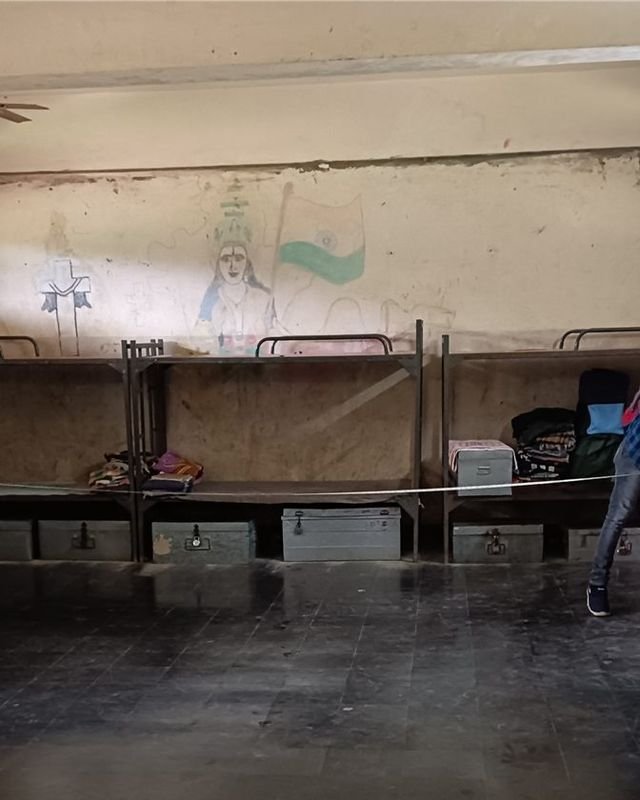
CDECT works with government schools, residential schools and welfare hostels — places where children live and learn, and where basic facilities often decide whether they stay healthy and stay in school.
Our work begins on the ground. Field teams visit each campus with a structured, bilingual 21-section assessment covering classrooms and hostels, toilets and water, kitchens, electrical safety, health, digital access and student wellbeing. What we find becomes a school-specific plan, and that plan becomes a proposal to the concerned department, CSR partners and supporters.
That survey-led method is how CDECT works: document the need, obtain official permission before work starts, and include maintenance so facilities last after handover. The first smart sanitation project is at the Boys Residential School, Adavitakkellapadu, Guntur District, where permissions have been granted and preliminary site works have begun.
We focus on six programme areas: digital schools, smart sanitation, safe drinking water, student safety and self-defence, drug awareness, and health, hygiene and Swachh Vidyalaya. See our programmes.
iMission
To empower underprivileged children and communities by delivering integrated programmes that enhance access to education, health, hygiene, skill development and digital literacy.
iiVision
A future where every child learns in a safe, clean, inclusive and digitally connected environment — free from disease, discrimination and poverty.
iiiHow we work
Every proposal rests on a documented ground survey. We publish only what our records support.
We work on a campus only with the approval of the concerned department and the head of the institution.
No identifiable photos of children in public material, no cameras in toilets, and safety reviews for every design.
Maintenance, trained people and monitoring are part of every plan — not an afterthought.
Donations are receipted only after verification, and utilisation is reported to partners.
Survey records with personal details are restricted to authorised officials and partners.
ivGovernance & registration